
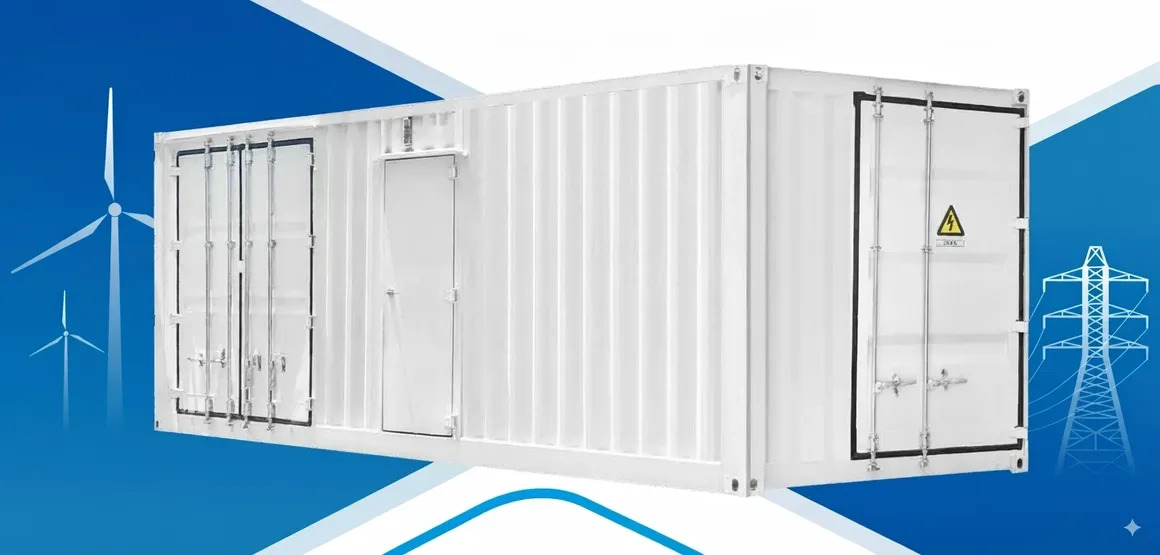
High-Voltage Dynamic Reactive Power Compensation
Revolutionary capacitor-free technology that delivers rapid response (≤4ms), superior efficiency (≥99%), and comprehensive power quality management through intelligent power electronics switching.
Product Overview

What is ZG-dSVG?
Dynamic Reactive Power Compensation Device represents a breakthrough in power quality technology. Unlike traditional reactive power compensation equipment that relies on large-capacity capacitors and inductors, ZG-dSVG utilises high-frequency switching of power electronic devices to achieve reactive energy conversion. Currently it has over 2,000+ installations across diverse industries.
Key Innovation
By eliminating capacitors and inductors, ZG-dSVG achieves unmatched advantages in compensation effectiveness, power density, and operational efficiency, making it the optimal solution for comprehensive power quality management.
Core Benefits
- Enhance Grid Voltage Transient Stability: Rapidly responds to voltage fluctuations
- Suppress Bus Voltage Flicker: Eliminates voltage quality issues caused by fluctuating loads
- Compensate Unbalanced Current: Addresses three-phase imbalance problems
- Filter Harmonics: Reduces harmonic distortion to <2%
- Improve Power Factor: Optimises reactive power consumption and reduces energy costs
Technical Specifications
| Parameter | Specification |
|---|---|
| Rated Voltage | 6-35kV |
| Compensation Capacity | 0.3-150 Mvar |
| Adjustment Range | Continuously adjustable from rated inductive to capacitive reactive power |
| Rated Frequency | 50Hz |
| Response Time | <4ms |
| Overload Capacity | 1.1x for 3 minutes |
| Harmonic Characteristics | Output current THD <2% |
| Efficiency | ≥99% |
| Cooling Methods | Air-cooled / Water-cooled / Hybrid |
| Operating Modes | Constant PF / Constant Q / Constant V / Constant I / Comprehensive / Load Compensation |
| Installation | Indoor cabinet / Outdoor containerised |
| Operating Temperature | -40°C to 45°C |
| Altitude | <3500m |
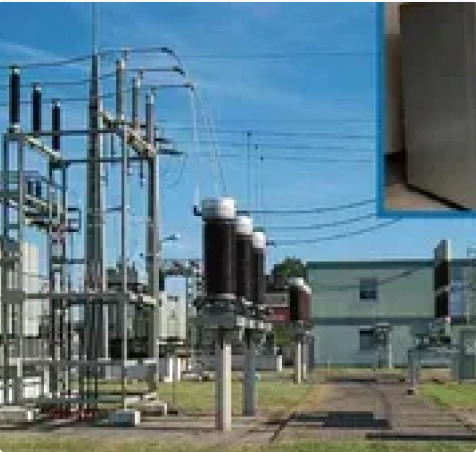
Ultra-Fast Response & Flicker Suppression
Response time ≤4ms enables rapid conversion between rated capacitive and inductive reactive power, perfectly addressing impact load compensation requirements and effectively suppressing voltage flicker to prevent grid incidents.
High Efficiency & Excellent Harmonic Performance
- Cascaded topology with low-loss fully-controlled power devices
- Specialised control algorithms ensure high performance with minimal losses
- Device efficiency ≥99%
- Effectively suppresses high-frequency harmonic injection
- Output current distortion <2% during reactive power compensation
- With sufficient capacity, provides low-order harmonic suppression and unbalance compensation
Superior Heat Dissipation
Air-cooled System
- Patented intermediate air duct design
- Long-life, maintenance-free external rotor motors
- Low-noise centrifugal fans
- Ensures overall system safety and reliability
Advanced Fault Detection & Protection
Standby monitoring
- Hall detection
- Unit self-test functionality
Active operation protection
- Voltage, current, and temperature monitoring
- Automatic fault detection and isolation
- Zero impact on grid and load-side equipment
Optional bypass function maintains stable operation during fault isolation
Diverse System Functions
Standard capabilities
- Constant power factor compensation
- Constant reactive power compensation
- Constant voltage compensation mode
Advanced features (optional)
- High/low voltage ride-through for renewable energy integration
- High-voltage self-checking and self-starting for unstable grids
- Multiple parallel operation technology (patented) for ultra-large capacity and multi-busbar systems
Application Scenarios
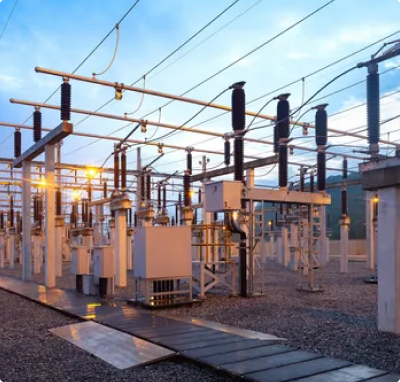
Power Distribution Networks
Applications
- Improve power factor to reduce reactive power loss
- Stabilise receiving-end voltage
- Protect electrical equipment from excessive reactive current
- Solve voltage fluctuation and flicker from fluctuating loads
- Centralised compensation for multiple users
Typical installations
Urban distribution networks, agricultural networks, substations

New Energy Power Generation
Wind Power & Solar Applications
- Stabilise grid voltage and reduce fluctuations from power generation variations
- Timely absorption of excess reactive power after LVRT/HVRT recovery
- Control reactive power at grid connection points
- Maintain voltage for high/low voltage ride-through functionality
- Compensate residual reactive power from transformers and cables
- Perfect power factor control for distributed generation
Track Record
1,200+ units operating in new energy applications
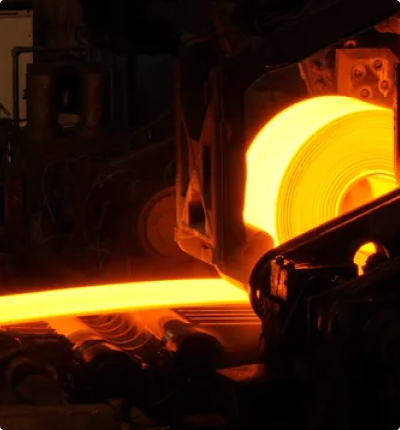
Steel & Metallurgy
Applications
- Stabilise busbar voltage
- Reduce voltage fluctuation and flicker
- Improve production efficiency
- Filter harmonics and ensure equipment safety
- Balance negative sequence
- Dynamic compensation for large motors
- Centralised compensation for medium/low voltage motor substations
- Reduce reactive fluctuations from traction drives
Track Record
420+ units operating in steel industry
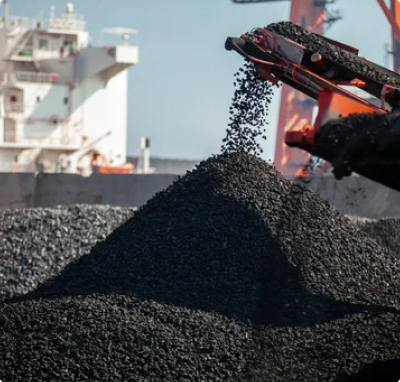
Coal Mining Industry
Applications
Distribution substations, central substations, mining operations
Typical installations
300+ units operating in coal mining sector
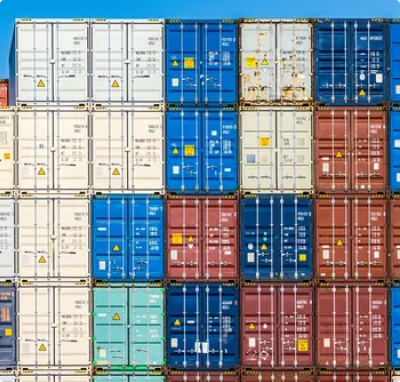
Heavy Industry
Petroleum, Chemical, Mining, Ports
- Stabilise supply voltage
- Local dynamic compensation for large motors
- Centralised compensation for relevant equipment
- Reduce reactive fluctuations from traction devices
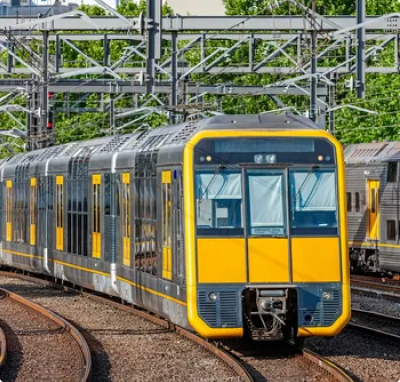
Electrified Railways & Urban Rail Transit
Applications
- Comprehensive harmonic treatment of traction power systems
- Improve power quality and traction capability
- Energy saving and consumption reduction
- Balance negative sequence current from locomotive loads
- Suppress voltage flicker from traction system starts/braking
- Stabilise busbar voltage and improve power factor
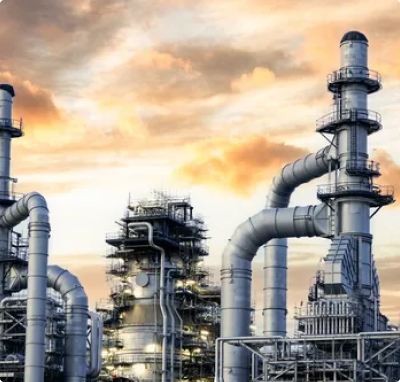
Petrochemical Industry
Applications
Refineries, chemical plants, semiconductor manufacturing, fine chemicals
Typical installations
200+ units operating in petrochemical applications
Aluminum Processing
Applications
Aluminum smelting, deep processing facilities