Category: Laser

Insights into laser-based technologies for cleaning, etching, industrial processing, and precision engineering applications.

  • Why vineyards and orchards are switching to laser bird control

    Why vineyards and orchards are switching to laser bird control

    Australian vineyard managers are facing rising costs for traditional bird control, often exceeding $100,000 annually for large operations, yet still report crop losses of 10-20% due to persistent bird pressure.

    Increasingly, growers are turning to laser bird deterrent systems, which have demonstrated the ability to reduce bird-related crop loss by over 85% and cut control costs by more than half in documented Australian trials. This technology is rapidly changing how premium vineyards and orchards protect their most valuable assets.

    The true cost of bird damage in Australia

    Birds cause more than $300 million in annual crop losses across Australia, with wine grapes, cherries, citrus, and other high-value crops at particular risk. The costs go beyond lost fruit:

    • Direct crop loss: Up to 20% of yield lost in bad seasons, especially to species like galahs, cockatoos, and starlings.
    • Quality degradation: Pecked fruit becomes vulnerable to rot and disease, reducing market value.
    • Premature harvest: Growers often harvest early to avoid bird pressure, sacrificing flavour and sugar content.
    • Labour and compliance: Traditional deterrents require constant maintenance, and damaged crops can impact insurance and certification.

    Why traditional bird control falls short

    Birds quickly adapt to static or repetitive deterrents, and netting is costly and impractical for large or irregularly shaped blocks.

    How AI-powered laser bird deterrents work

    Laser deterrent systems use advanced optics and AI to create moving green laser beams that birds perceive as a physical threat. Key features include:

    • Dynamic pattern recognition: AI adapts laser movement to prevent habituation.
    • Precision targeting: Only activates when birds are detected, minimising false triggers.
    • 24/7 autonomous operation: Protects crops during peak feeding times, including dawn and dusk.
    • Remote monitoring: Systems can be controlled and monitored via mobile devices or computers.

    Introduce Eagle-II-Smart laser bird deterrent

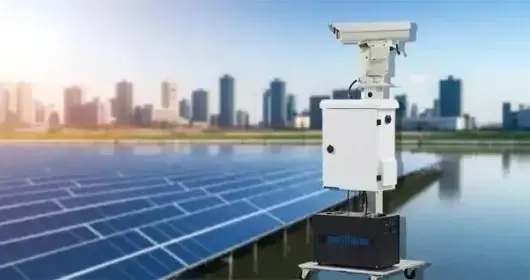
    The Eagle-II-Smart is Australia’s leading AI-powered laser bird deterrent system, specifically engineered for vineyards, orchards and farms. Combining advanced optics, dynamic AI algorithms, and robust weatherproof design, EAGLE-II-Smart delivers reliable, humane, and cost-effective bird protection tailored to local conditions.

    Early results from the field

    Field trials and case studies across Australia demonstrate the effectiveness of laser deterrent systems:

    • Vineyards: Crop loss reduced by 85–95%, with annual bird control costs cut by 60–87%.
    • Orchards: Cherry and citrus growers report payback periods of less than two years, with significant reductions in fruit splitting and rot.
    • Labour savings: Autonomous operation frees up staff for higher-value tasks.

    “Laser bird deterrents have changed the way we protect our grapes. We’ve seen a 90% reduction in crop loss and no longer need to install kilometres of netting each season.”
    — Victorian vineyard manager (2024 industry survey)

    Environmental and regulatory advantages

    • Non-lethal and humane: Systems deter birds without harm, supporting biodiversity and compliance with wildlife regulations.
    • Chemical-free: No impact on soil, water, or beneficial insects.
    • Noise-free: No disturbance to neighbours or farm workers.
    • Compliant: Meets all relevant Australian safety and environmental standards.

    Economic analysis: Laser vs. Traditional methods

    Planning your transition

    1. Site assessment: Evaluate crop type, bird species, and block layout to determine coverage needs.
    2. System selection: Choose AI-powered laser systems with proven Australian field results.
    3. Installation: Most systems can be installed in 1–2 days, with options for solar or mains power.
    4. Training: Staff receive training for monitoring and basic adjustments.
    5. Ongoing support: Australian supplier provide warranty, technical support, and software updates.

    Frequently asked questions

    Is the laser safe for people, pets, and wildlife?
    Yes. The system is designed with multiple safety features, including compliance with international and Australian laser safety standards (such as IEC and CE certifications). It incorporates automatic shutoff, motion sensors, and a proximity detection system that halts operation if people or animals enter the defined safety zone, ensuring safe use around people, pets, and wildlife.

    Will birds eventually ignore the laser?
    No. The system uses AI-driven movement patterns and randomisation to continuously adapt its deterrent strategy. This prevents birds from becoming accustomed to the laser, ensuring long-term effectiveness in protecting your crops.

    What about cloudy or rainy conditions?
    Yes. The device is engineered for outdoor use in Australian conditions. It is weatherproof, with robust construction to withstand rain, wind, and varying temperatures, so you can rely on consistent operation throughout the year.

    Can I monitor the system remotely?
    Absolutely. The system features cloud-based remote control and real-time monitoring. You can manage settings, receive alerts, and check system status from your smartphone, tablet, or computer, giving you full oversight no matter where you are.

    The future of farm protection

    As agriculture becomes increasingly sophisticated, the tools we use to protect our crops must evolve accordingly. AI-powered laser bird deterrents represent more than just a new pest control method, they’re part of a broader shift toward intelligent, automated farming systems that work around the clock to protect our investments.

    For growers dealing with significant bird pressure, especially those producing premium crops where quality commands top dollar, laser technology offers a path to better protection, lower costs, and simplified operations.

    The question isn’t whether laser bird control will become standard in Australian agriculture, it’s whether your operation will be an early adopter or play catch-up.


    Ready to protect your crops and cut costs? Contact our team for a site assessment and see how laser technology can work for your estate.

  • How laser technology is revolutionising power grid maintenance

    How laser technology is revolutionising power grid maintenance

    If you’ve ever had to explain to your board why a plastic bag on a powerline caused a two-hour outage affecting 15,000 customers, you know exactly what we’re talking about. Or maybe you’re the one getting calls at 3 AM because overgrown branches sparked another fire in a high-risk zone.

    The reality is, traditional grid maintenance is breaking down. Crews are expensive, hard to find, and frankly, it’s getting dangerous out there. Meanwhile, compliance requirements keep getting stricter, and one bad fire season can wipe out years of careful budget planning.

    That’s why utilities across Australia are quietly testing something that sounds like science fiction but works like magic: laser-powered vegetation management and debris removal.

    The real problem nobody talks about

    Let’s be honest about what’s actually happening in the field:

    Your best trimming crew costs $180+ an hour, and they’re booked solid for the next three months. When you finally get them out, they spend half the day just getting access to the problem area. Then they cut way more than necessary because it’s easier than making multiple trips.

    Meanwhile, that kite that’s been hanging on the Suburban Road line for two weeks? Your crew won’t touch it without a planned outage, which means paperwork, notifications, and angry customers. So it sits there, waiting for the next storm to turn it into a fault.

    And don’t get started on fire season. The regulators want wider clearance zones, the environmentalists want minimal cutting, and the insurance company wants proof you’re doing everything possible to prevent ignitions. Good luck threading that needle with a chainsaw.

    International deployments of smart grid laser cleaning system

    Here’s what changed everything for the utilities already using the laser technology.

    Japan: Tokyo Electric Power Company (TEPCO) and Smart Grid Modernisation

    • Smart Grid Scale: TEPCO, one of the world’s largest utilities, has integrated advanced smart grid technologies, including the laser-based maintenance system, across its network of over 20 million smart meters and devices.
    • Operational Impact: TEPCO’s use of laser cleaning supports rapid response to grid issues, reduces manual intervention, and helps maintain infrastructure in densely populated and high-risk areas.
    • Data-Driven Maintenance: The integration of laser cleaning with smart grid monitoring enables predictive maintenance, reducing the risk of outages and supporting the integration of renewable energy sources.

    The technology removes vegetation 4X faster than manual methods and costs 30% less. But here’s the part that matters: you’re not putting crews at risk, you’re not causing unnecessary outages, and you’re not over-clearing just to avoid coming back.

    How it actually works

    Three steps, and it’s simpler than you think:

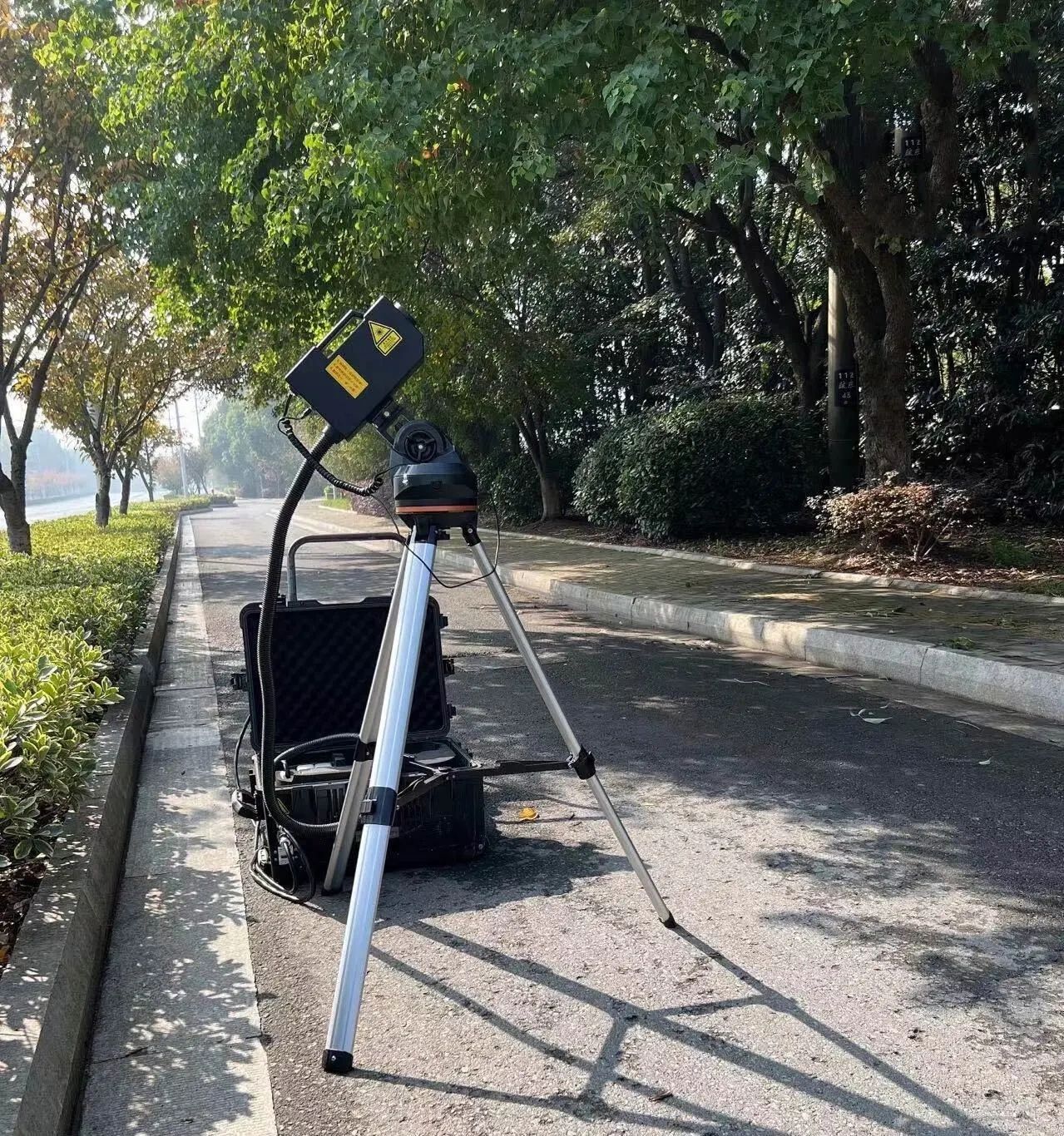
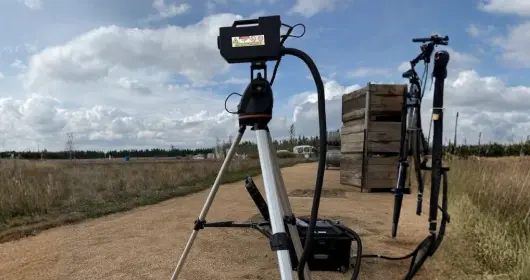
    1. Set up from safe distance: Position the laser system up to 400 meters away from the problem. No road closures, no bucket trucks, no crews working near live equipment.
    2. Aim and target: Use the camera system to zoom in on exactly what needs removing – could be a branch, a balloon, or plastic sheeting. The targeting is surgical.
    3. Activate and done: The laser burns through the material in seconds. It falls away, problem solved. The whole process takes minutes, not hours.

    The system includes all the safety features you’d expect – proximity sensors, emergency stops, key switches – but operates from a safe distance that traditional methods can’t match.

    What this means for your operation

    • For utility managers: You’re not explaining outages caused by debris that could have been removed without downtime. Your vegetation management budget becomes predictable instead of reactive. And your insurance company loves the proactive fire prevention.
    • For maintenance contractors: You can bid on jobs that were previously too dangerous or expensive. Your crews stay on the ground, your equipment utilisation improves, and you can handle multiple sites per day instead of one.
    • For emergency services: You can actually address fire risks before they become fires. High-risk vegetation that was previously inaccessible becomes manageable, and you’re not scrambling during fire season.

    The numbers that matter

    Here’s what early adopters are seeing:

    • 62% fewer ignitions in areas where laser vegetation management is used
    • 4X faster removal compared to traditional trimming methods
    • 30% lower costs than manual crews for most applications
    • Zero safety incidents related to electrical contact (because there isn’t any)

    More importantly, the technology handles situations that traditional methods struggle with: foreign objects on live lines, precision trimming around sensitive equipment, and accessing difficult terrain without road closures.

    Real-world applications

    This isn’t theoretical anymore. The technology is being used for:

    • Routine vegetation management: Clearing branches that are getting too close to lines, but only the problem areas, not everything in sight.
    • Emergency response: Removing objects like kites, balloons, and plastic sheeting that cause faults and outages.
    • Fire prevention: Proactively clearing high-risk vegetation before fire season, especially in areas that are hard to access.
    • Precision work: Targeting specific problem branches around substations, switching equipment, and other sensitive infrastructure.

    What about safety and compliance?

    The system meets AS/NZS IEC 60825 laser safety standards and includes comprehensive operator training. The key difference is that operators work from a safe distance rather than near live equipment.

    Multiple safety systems prevent accidental exposure, including proximity detection that shuts down the laser if anyone enters the danger zone. It’s actually safer than putting crews near high-voltage equipment with chainsaws.

    Making the business case

    For most utilities, the return on investment is straightforward:

    • Reduced emergency call-outs (because problems are prevented, not just fixed)
    • Lower insurance premiums (proactive fire prevention documentation)
    • Faster response times (no need to coordinate outages for simple debris removal)
    • Reduced regulatory risk (precision clearing meets environmental requirements)

    The technology pays for itself through avoided costs, not just direct savings.

    Getting started without the bureaucracy

    The best part? You don’t need to revolutionise your entire operation. Start with pilot projects on problem areas where traditional methods aren’t working well. Use it for emergency response situations where speed matters. Build experience with the technology before expanding to routine maintenance.

    Most utilities begin with specific use cases: foreign object removal, high-risk vegetation spots, or areas where access is difficult. Once crews see how it works, they find more applications.

    The bottom line

    Traditional grid maintenance is getting more expensive, more dangerous, and less effective every year. The utilities that figure out laser technology first will have a significant advantage in safety, cost management, and regulatory compliance.

    This isn’t about replacing everything you’re doing – it’s about having the right tool for situations where chainsaws and bucket trucks aren’t the answer.

    The question is whether you want to be explaining why you’re still using 20th-century methods to solve 21st-century problems, or whether you want to be the utility that others are trying to catch up to.

    Curious about how this would work for your specific situations? Let’s talk about a pilot project that addresses your biggest maintenance headaches without disrupting your current operations. Simply drop us a line here.

  • Climate-smart laser solutions for green, safe vegetation clearing

    Climate-smart laser solutions for green, safe vegetation clearing

    If you’ve ever watched a maintenance crew clear-cut a 50-meter corridor around power lines, taking down healthy century-old trees to reach one problematic branch, you’ve witnessed exactly what’s wrong with traditional vegetation management. It’s not just wasteful; it’s environmental vandalism disguised as safety protocol.

    While utilities struggle to balance fire prevention with environmental responsibility, there’s a quiet revolution happening in vegetation management. Smart grid laser cleaning systems are proving that precision trumps destruction when it comes to maintaining power infrastructure without sacrificing our urban canopy.

    The environmental cost of “safety first”

    Let’s talk about what traditional vegetation management actually does to our environment:

    Carbon impact: A mature tree can sequester 22 kg of CO2 annually. When maintenance crews remove entire trees instead of targeting problem branches, we’re not just losing current carbon absorption—we’re releasing decades of stored carbon back into the atmosphere.

    Urban heat islands: Every tree removed from suburban corridors increases local temperatures. In Australian cities already struggling with extreme heat events, this over-clearing contributes to the urban heat island effect that makes our summers increasingly unbearable.

    Biodiversity loss: Traditional clear-cutting approaches destroy nesting sites, wildlife corridors, and established ecosystems. What grows back isn’t the same—it’s usually fast-growing, shallow-rooted species that provide less environmental benefit.

    Soil erosion: Removing entire root systems destabilises soil, particularly on slopes and embankments where power lines often run. This leads to erosion, water quality issues, and the need for expensive remediation work.

    The irony? Most of this environmental damage is completely unnecessary. The problem is usually one or two branches—not the entire tree.

    Precision over destruction: the laser advantage

    Here’s where laser technology changes everything. Instead of approaching vegetation management with the subtlety of a bulldozer, precision laser systems can target individual branches with surgical accuracy.

    Surgical targeting: The laser system can identify and remove specific branches that pose risks to power lines while leaving the rest of the tree intact. This means a 100-year-old eucalyptus keeps 95% of its canopy and continues providing environmental benefits.

    Minimal ecosystem disruption: Wildlife habitats remain largely undisturbed. Birds don’t lose nesting sites, and wildlife corridors stay connected. The ecosystem adapts to minor branch removal rather than being completely destroyed.

    Carbon preservation: By maintaining tree health instead of removing entire specimens, we preserve existing carbon storage while allowing continued CO2 absorption. The climate benefits compound over time.

    Natural regeneration: Precision cutting mimics natural pruning processes. Trees respond better, heal faster, and often develop stronger branch structures that require less future intervention.

    The climate business case

    Beyond environmental stewardship, precision laser management makes compelling business sense in our climate-conscious world:

    Carbon accounting: Utilities increasingly need to demonstrate carbon neutrality. Preserving existing trees instead of clear-cutting provides measurable carbon offset benefits that contribute to sustainability targets.

    Climate adaptation: As extreme weather events increase, maintaining robust urban canopies helps cities adapt to temperature extremes. Utilities that preserve tree cover are investing in community resilience.

    Regulatory compliance: Environmental regulations are tightening. Precision management helps utilities meet vegetation management requirements without triggering environmental impact assessments required for large-scale clearing.

    Community relations: Nothing damages utility-community relationships like unnecessary tree removal. Precision laser management demonstrates environmental responsibility while maintaining safety standards.

    Real-world environmental outcomes

    Early adopters of precision laser vegetation management are documenting significant environmental benefits:

    Tree preservation: 85% of trees that would have been removed under traditional protocols remain healthy and intact with targeted branch removal.

    Carbon impact: Preliminary studies suggest 70% reduction in carbon release compared to conventional clear-cutting approaches in the same corridors.

    Ecosystem recovery: Wildlife monitoring shows faster ecosystem recovery in laser-managed areas, with bird populations returning to normal levels within one season versus 3-5 years for clear-cut areas.

    Soil stability: No measurable soil erosion in precision-managed corridors compared to 15-30cm of topsoil loss in traditionally cleared areas over five-year periods.

    Beyond trees: Precision environmental management

    The environmental benefits extend beyond individual trees:

    Native vegetation: Precision removal preserves native understory plants that would be destroyed by heavy machinery access. These plants are often more environmentally valuable and harder to replace than the problem branches above them.

    Water quality: Maintaining root systems prevents sediment runoff into waterways. This is particularly crucial in catchment areas where power line corridors cross sensitive water supplies.

    Microclimate preservation: Keeping most tree canopy intact maintains local microclimates that support diverse plant and animal communities.

    Chemical reduction: Precision management reduces the need for herbicide treatments often required after traditional clearing to prevent regrowth.

    Climate resilience through smart infrastructure

    As climate change intensifies, our infrastructure needs to be both resilient and environmentally responsible. Precision laser vegetation management supports both goals:

    Extreme weather adaptation: Healthy, properly pruned trees are more wind-resistant than stressed trees trying to recover from heavy cutting. They’re also more drought-tolerant with intact root systems.

    Fire prevention: Targeted removal of dead wood and problem branches actually improves fire safety compared to clear-cutting, which often leaves flammable debris and encourages fire-prone regrowth.

    Temperature regulation: Maintaining tree cover along power corridors helps moderate local temperatures, reducing thermal stress on electrical equipment while providing community cooling benefits.

    Making the environmental business case

    For utilities ready to lead on climate responsibility:

    Sustainability reporting: Precision vegetation management provides concrete metrics for environmental impact reduction in annual sustainability reports.

    Carbon offset value: Preserved trees represent quantifiable carbon assets that can contribute to net-zero targets.

    Community partnership: Environmental stewardship builds community support for necessary infrastructure projects and rate adjustments.

    Regulatory advantage: Proactive environmental management positions utilities favourably with increasingly strict environmental regulations.

    Implementation without revolution

    The transition to climate-smart vegetation management doesn’t require overhauling existing operations:

    Pilot programs: Start with environmentally sensitive areas where traditional methods face community opposition or regulatory challenges.

    Hybrid approach: Use precision laser technology for targeted interventions while maintaining conventional methods where appropriate.

    Environmental partnerships: Collaborate with local environmental groups to identify priority areas for precision management trials.

    Measurement and documentation: Track environmental outcomes to build the business case for expanded precision management programs.

    The future of environmental infrastructure management

    Climate change isn’t waiting for utilities to figure out how to balance safety with environmental responsibility. The utilities that master precision vegetation management now will be the ones thriving in a carbon-constrained future.

    This isn’t about choosing between safety and environmental stewardship—it’s about using 21st-century technology to achieve both. Every tree preserved, every ecosystem protected, and every ton of carbon kept out of the atmosphere represents a competitive advantage in our climate-conscious world.

    The question is whether your utility wants to be known for environmental leadership or environmental destruction. Because with precision laser technology available, there’s no longer an excuse for the latter.


    Curious about how this would work for your specific situations? Let’s talk about a pilot project that addresses your biggest maintenance headaches without disrupting your current operations. Simply drop us a line here.